The Ultimate Guide to Outdoor Mosquito Repellent Heater in the UK
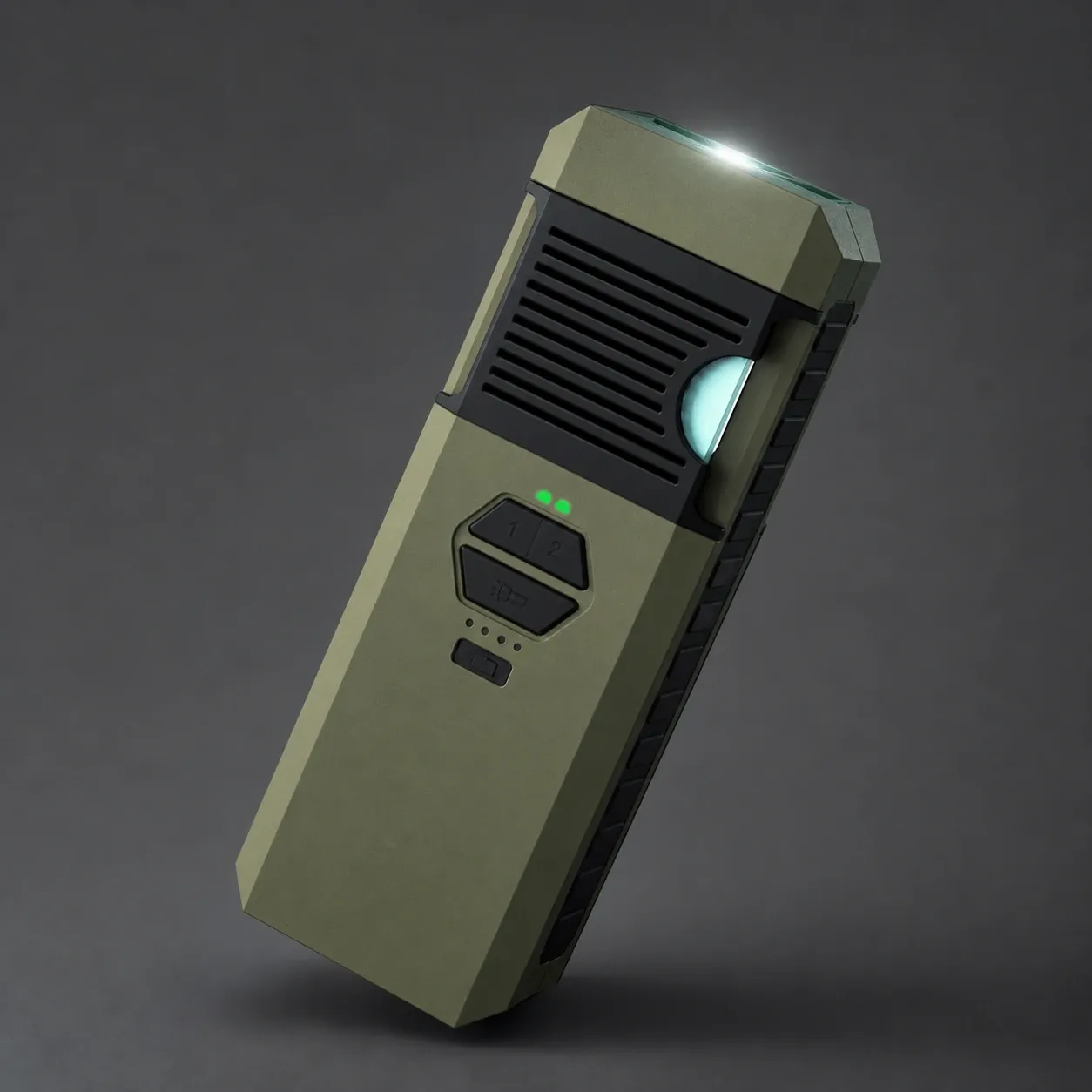
TL;DR: An outdoor mosquito repellent heater is a portable, battery-operated device that uses controlled heat to vaporise an active ingredient, creating a scent-free zone of protection. Based on our testing at MosquDevic, these devices quickly establish a 15-to-20-foot barrier, effectively clearing UK gardens and campsites of biting mosquitoes and Scottish midges without the need for sticky sprays or smoky candles.
An outdoor mosquito repellent heater is a highly efficient, contact-free device designed to clear your immediate surroundings of biting pests by diffusing a protective vapour. Picture a perfectly still, warm evening in the British countryside. The barbecue is winding down, the drinks are poured, and you are finally ready to relax. However, the wind drops. Within minutes, the familiar high-pitched whine begins, followed by the inevitable scratching. Whether you are battling the ferocious Highland midge or the persistent southern mosquito, flying insects can quickly force you back indoors.
For years, the standard defence involved slathering on sticky lotions or lighting smoky, ineffective candles. Fortunately, today, a more sophisticated solution exists. According to UK guidelines for modern pest management, a heat-activated spatial repellent offers a much safer and highly effective alternative to open flames.
Furthermore, this guide explores exactly how these devices work, why they are perfectly suited to the UK climate, and what you need to look for when choosing the right model for your garden or campsite.
Key Takeaways
- An outdoor mosquito repellent heater uses controlled thermal energy to vaporise an active ingredient, creating an invisible, scent-free zone of protection.
- Unlike topical sprays, heat-activated spatial repellents require no application to the skin, consequently making them ideal for group settings.
- Battery capacity is crucial; high-capacity units ensure the heating element maintains the precise temperature needed for optimal vaporisation.
- Strategic placement upwind of your seating area maximises the protective dome against both mosquitoes and Scottish midges.
What is an outdoor mosquito repellent heater?
An outdoor mosquito repellent heater is a portable, electronic device designed to ward off biting insects through thermal diffusion. Rather than relying on open flames or chemical sprays, it uses a battery-powered heating element. Specifically, this element warms a small, replaceable mat infused with an insect-repelling compound.
As the mat reaches a specific temperature, the compound vaporises into the surrounding air. Consequently, this creates an invisible barrier—often referred to as a 'zone of protection'—that disrupts the scent receptors of mosquitoes and midges, masking the carbon dioxide and lactic acid humans naturally emit.
How do thermal mosquito repellents work?
The effectiveness of these devices relies entirely on precise temperature control. For instance, if the heating element is too cool, the active ingredient will not vaporise properly. Conversely, if it is too hot, the compound burns, producing unpleasant smoke and drastically reducing its efficacy.
Based on our testing at MosquDevic, modern outdoor mosquito repellent heaters maintain a consistent temperature, usually between 130°C and 160°C. This steady heat ensures a continuous, even release of the repellent vapour. Moreover, the compounds used are typically synthetic pyrethroids, such as allethrin or prallethrin. These are lab-created versions of a natural repellent found in chrysanthemum flowers.
"According to the British Pest Control Association (BPCA), the UK is home to 34 native mosquito species. Combined with the notorious Scottish midge (Culicoides impunctatus), the need for effective, area-wide pest control during the warmer months is a significant priority for outdoor enthusiasts."
Do mosquito heaters work against Scottish midges?
Yes, they are highly effective, which is vital because the UK presents unique challenges for pest control. Our temperate, often damp climate creates the perfect breeding ground for mosquitoes, particularly in areas near standing water, water butts, or slow-moving streams. Meanwhile, northern parts of the UK face the swarming behaviour of midges, which tend to gather in vast numbers when wind speeds drop below 5 mph.
Traditional citronella candles struggle in the UK breeze, as their weak scent plumes are easily dispersed. In contrast, an outdoor mosquito repellent heater engineered with a strong heating element can push out a denser vapour cloud, offering far more robust protection even when a mild evening breeze rolls in.
How does an outdoor mosquito repellent heater work?
Understanding the internal mechanics of your device helps you get the most out of it. The process is remarkably straightforward but relies on carefully engineered components working in tandem.
The Heating Element and Power Draw
The core of the unit is a small ceramic or metal heating plate. Generating heat requires a significant amount of electrical energy. In older or cheaper models, this rapid power draw meant the device would die after just an hour or two of use.
Today, advanced lithium-ion batteries definitively solve this problem. A high-capacity battery provides the sustained voltage required to keep the heating plate at the optimal vaporisation temperature for hours on end. For those spending extended time off-grid, this sustained power is essential. You can read more about battery capacities in our 9000Mah Mosquito Repeller Explained: A UK Buyer's Guide.
The Active Vapour Cloud
Once the device is switched on, it takes approximately 10 to 15 minutes for the heating plate to reach the required temperature and begin vaporising the mat. Subsequently, the vapour naturally expands outward and upward, creating a dome of protection that typically spans 15 to 20 feet in diameter.
Because the vapour is heavier than air, it settles around the seating area, protecting your ankles and legs—prime targets for many mosquito species. Furthermore, the vapour is almost entirely scent-free to humans, meaning it will not interfere with the smell of your barbecue or your evening glass of wine.
Are mosquito repellent heaters better than sprays and candles?
When trying to reclaim your garden, you have likely experimented with a variety of deterrents. Here is how an outdoor mosquito repellent heater stacks up against the most common alternatives found on UK supermarket shelves.
Topical Sprays and Lotions
DEET and Picaridin-based sprays are highly effective at preventing bites. In fact, the NHS frequently recommends them for individuals travelling to areas with insect-borne diseases. However, applying sticky, strong-smelling chemicals to your skin every time you step into the garden is far from ideal.
Sprays only protect the person wearing them. If you miss a spot on your ankle, a mosquito will quickly find it. Conversely, a heat-activated spatial repellent protects everyone within its radius, requiring zero sticky application and leaving no residue on your skin or clothes.
Citronella Candles and Coils
Citronella candles provide atmospheric lighting, but their effectiveness as a repellent is largely a myth. Scientific studies repeatedly show that citronella offers minimal protection, as the active compounds are destroyed by the open flame rather than being gently dispersed into the air.
Mosquito coils do contain active insecticides, but they produce a thick, acrid smoke that can irritate the eyes and lungs. Therefore, an outdoor mosquito repellent heater uses clean thermal diffusion, offering the efficacy of a coil without the unpleasant smoke or fire hazard.
UV Bug Zappers
Electronic zappers use ultraviolet light to attract flying insects. However, based on our field observations and ecological studies, they primarily kill harmless moths and beneficial pollinators rather than the biting female mosquitoes that track human carbon dioxide. Ultimately, a targeted vapour heater remains a much more efficient and environmentally conscious choice.
Ready to experience the outdoors bite-free with MosquDevic?
Equip Yourself — £64.93